
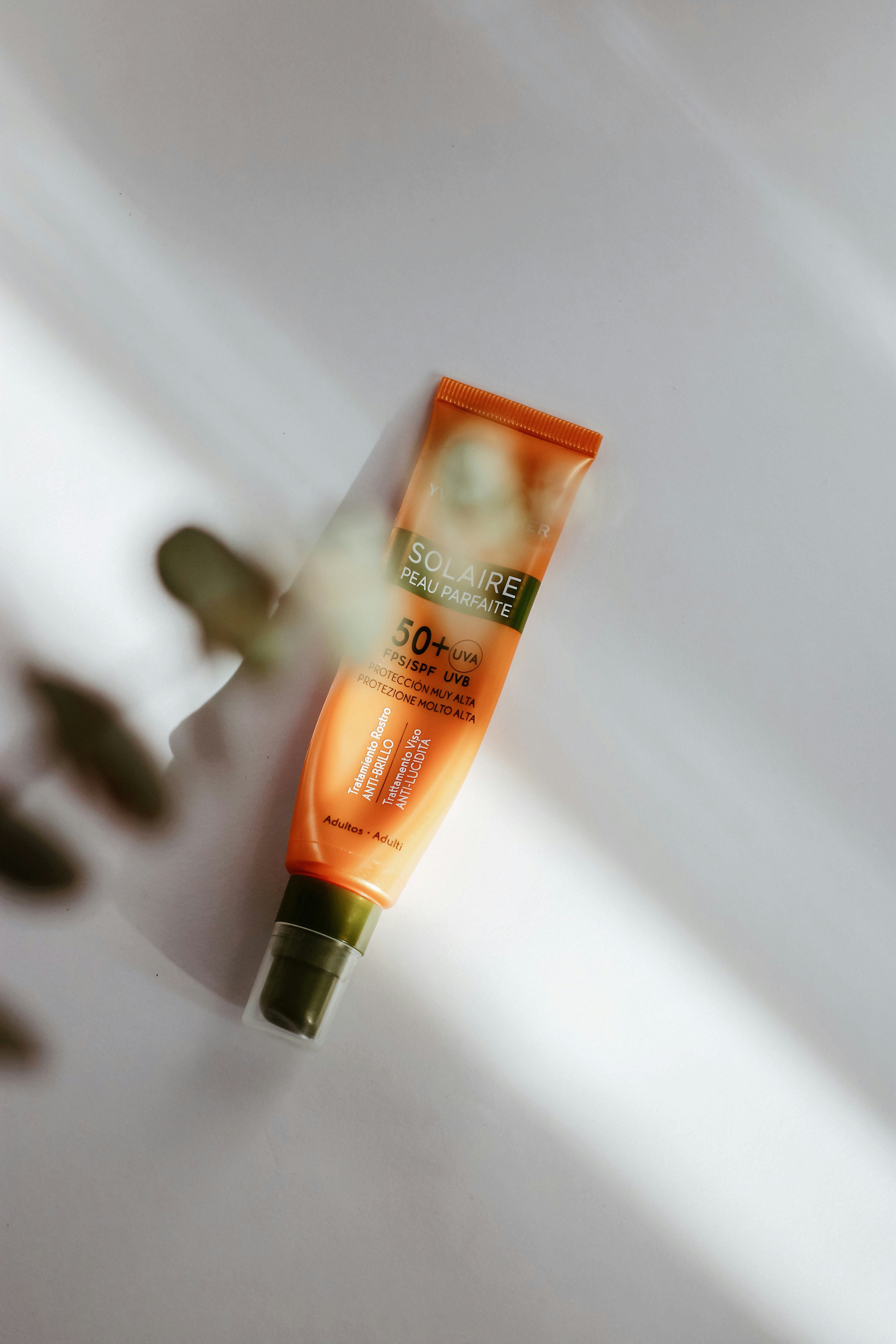
Understanding Sunscreen Basics
Sunscreen is an essential product designed to protect the skin from the harmful effects of ultraviolet (UV) radiation, which can lead to sunburn, premature aging, and an increased risk of skin cancer. The primary function of sunscreen is to absorb, reflect, or scatter UV rays. This protection is classified into two main categories: physical (mineral) sunscreens and chemical sunscreens.
Physical sunscreens contain active mineral ingredients such as zinc oxide or titanium dioxide. These ingredients sit on the surface of the skin and work by reflecting and scattering UV radiation. As a result, they provide immediate protection upon application and are often recommended for sensitive skin types due to their minimal risk of irritation. They are also water-resistant and effective against both UVA and UVB rays, making them a reliable choice for outdoor activities.
On the other hand, chemical sunscreens contain organic (carbon-based) compounds that absorb UV radiation and transform it into heat, which is then released from the skin. While these products tend to be lighter and more cosmetically appealing, they may take 20 to 30 minutes to become effective after application. Additionally, they may cause irritation in some individuals, particularly those with sensitive skin or allergies. Understanding your skin type can help in choosing the most suitable formulation.
Another critical aspect of sunscreen is the Sun Protection Factor (SPF) rating, which indicates the level of protection against UVB rays—the primary cause of sunburn. An SPF rating of 30, for instance, allows a person to stay in the sun without burning for 30 times longer than without any protection. However, it is important to note that no sunscreen can provide 100% protection, thus a combination of sun safety measures, such as wearing protective clothing and seeking shade, is recommended in conjunction with sunscreen use.
Identifying Your Skin Type
Determining your skin type is an essential step in the process of selecting the right sunscreen. Skin types are typically categorized into four main categories: oily, dry, combination, and sensitive. Each category has distinct characteristics that influence not only the choice of sunscreen but also the formulation that will work best for you.
Oily skin is characterized by increased sebum production, which can lead to a shiny appearance and larger pores. Individuals with oily skin may benefit from lightweight, gel-based sunscreens that contain non-comedogenic ingredients. These formulations can provide sun protection without clogging the pores, thus minimizing the risk of breakouts.
Conversely, dry skin tends to lack moisture and can result in flakiness or tightness. For those with dry skin, cream-based or hydrating sunscreens that incorporate moisturizing ingredients like hyaluronic acid or glycerin will be more suitable. These products help to lock in moisture while providing essential sun protection.
Combination skin is a mix of both oily and dry areas, usually presenting an oily T-zone (forehead, nose, and chin) while the cheeks may appear dry. Individuals with combination skin should look for sunscreens that balance hydration and oil control. Formulations that offer a matte finish yet contain hydrating components can effectively cater to both areas.
Sensitive skin, generally prone to irritation, requires specialized attention. If you have sensitive skin, opt for mineral-based sunscreens with zinc oxide or titanium dioxide. These ingredients are less likely to provoke irritation and are effective in providing broad-spectrum protection. Additionally, avoiding fragrances and harsh chemicals can further prevent adverse reactions.
Understanding your skin type enables you to select the most appropriate sunscreen, ensuring optimal protection while accommodating your skin’s unique needs. As you explore your options, consider the formulation that best aligns with your skin type for the most effective sun care strategy.
Choosing the Right SPF
When selecting a sunscreen, understanding the significance of the Sun Protection Factor (SPF) rating is critical. SPF indicates the level of protection against ultraviolet B (UVB) rays, which are primarily responsible for sunburn and skin cancers. The difference between various SPF levels can be misleading; for example, SPF 30 blocks approximately 97% of UVB rays, while SPF 50 blocks about 98%. This marginal increase can lead to misconceptions regarding the necessity of higher SPF products.
For individuals with fair skin or a history of skin cancer, using a higher SPF, such as SPF 50, may be advisable, especially during prolonged sun exposure. Conversely, those with darker skin tones may find that SPF 15 or SPF 30 provides adequate protection for everyday activities. It is essential, however, to consider factors such as the intensity of the sun, time spent outdoors, and your specific skin sensitivities when choosing the appropriate SPF. Additionally, individuals engaging in water-related or high-intensity activities should opt for a water-resistant sunscreen with a higher SPF to ensure continuous protection.
Moreover, reapplication plays a pivotal role in maintaining effective sun protection. Sunscreen should be reapplied every two hours, or more often if swimming or sweating, regardless of the SPF rating. This practice guarantees consistent defense against harmful UV rays, which can penetrate the skin, leading to adverse effects over time. Understanding the correct SPF for your skin type and circumstances, alongside proper application and reapplication methods, is vital in achieving optimal sun safety and mitigating the risks associated with ultraviolet exposure.
Chemical vs. Physical Sunscreens
When it comes to sun protection, understanding the difference between chemical and physical sunscreens is essential for making an informed decision based on your skin type and needs. Chemical sunscreens contain organic compounds, such as avobenzone or octisalate, that absorb UV radiation and convert it into heat, which is then released from the skin. This type of sunscreen tends to have a lighter texture, making it suitable for everyday wear and less visible on the skin. However, some individuals may experience irritation or allergic reactions to the ingredients found in chemical formulations.
On the other hand, physical sunscreens, also known as mineral sunscreens, utilize active mineral ingredients like zinc oxide or titanium dioxide. These components work by sitting on the skin and physically blocking UV rays from penetrating. They are often recommended for sensitive skin types due to their gentleness and their ability to provide broad-spectrum protection immediately upon application. One important advantage of physical sunscreens is their stability; they are less likely to degrade when exposed to sunlight compared to some chemical counterparts.
In terms of application, chemical sunscreens should be applied about 15-30 minutes before sun exposure to allow for proper absorption and effectiveness. Conversely, physical sunscreens can be applied right before sun exposure, ensuring immediate protection. When choosing between the two, consider factors such as skin sensitivities, the desired feel on the skin, and lifestyle needs.
Despite their benefits, there are prevailing myths surrounding both types. For example, some believe that physical sunscreens are too heavy for daily wear or that chemical sunscreens are unsafe. Understanding these products’ unique characteristics is vital to dispelling these misconceptions, thus helping individuals select a sunscreen that aligns with their personal preferences and skin health. Making an informed choice between chemical and physical sunscreens will significantly enhance one’s protection against harmful UV rays.
Ingredient Awareness: What To Look For
When selecting the right sunscreen, understanding the key ingredients is crucial for ensuring effective protection against harmful UV rays. Sunscreens typically fall into two categories: physical and chemical. Physical sunscreens, often containing zinc oxide or titanium dioxide, work by creating a barrier on the skin that physically blocks UV radiation. These ingredients are beneficial as they reflect UV rays and provide broad-spectrum protection against both UVA and UVB rays. Zinc oxide is particularly noteworthy for its non-irritating properties, making it suitable for sensitive skin, while titanium dioxide is valued for its lightweight feel.
On the other hand, chemical sunscreens absorb UV radiation through their active ingredients. Common components in this category include avobenzone, which provides protection against UVA rays, and octisalate, which is used to stabilize other sunscreen agents. While these ingredients can be effective, it is vital to scrutinize their profiles. Some individuals may experience allergic reactions to certain chemical compounds, thus patch testing is advisable for sensitive skin types.
Moreover, being aware of potentially harmful ingredients is equally important. Substances like oxybenzone have raised concerns due to their potential to disrupt hormonal functions and their negative impact on coral reefs. Similarly, parabens used as preservatives in many products have been scrutinized for their possible link to endocrine disruption. When evaluating a sunscreen, it is beneficial to read the ingredient label thoroughly, prioritizing products free from these controversial compounds. Look for terms such as “broad-spectrum,” and “reef-safe” to ensure adequate protection and environmental responsibility. By making informed choices based on ingredient awareness, one can effectively select a sunscreen tailored to individual needs while safeguarding overall skin health.
Sunscreen for Different Activities
Choosing the right sunscreen is crucial for optimizing skin protection, as different activities expose the skin to various environmental conditions. For individuals who engage in water-related activities, such as swimming or surfing, it is imperative to select a sunscreen with a water-resistant formula. Water-resistant sunscreens maintain their effectiveness for a certain duration even when exposed to water or sweat, typically categorized under water resistance for 40 or 80 minutes. This classification is essential for ensuring continued protection when participating in such activities, as regular reapplication might not be feasible.
For those who enjoy hiking or other outdoor adventures, a broad-spectrum sunscreen with a higher SPF is recommended. Increased UV exposure at high altitudes can augment the risk of sunburn, making it vital to select a product that not only offers strong UV protection but also withstands sweat. This allows for prolonged protection when engaging in rigorous or extended physical activities, especially in sunny environments. Additionally, look for formulas that contain antioxidants; they can provide added defense against environmental damage, enhancing your skin’s overall health.
When considering sunscreen for everyday wear, lightweight and non-comedogenic formulations are more suitable. These products can be easily incorporated into daily skincare routines without overwhelming the skin, making them ideal for urban dwellers who experience lower intensity sun exposure. Some products even provide added benefits, such as moisturization or anti-aging properties, which can be appealing for those seeking multifunctional solutions.
Ultimately, selecting the appropriate sunscreen based on your planned activities not only enhances skin protection but also contributes to your overall skin health. Prioritizing the needs specific to each activity will ensure that you remain shielded from harmful UV rays while enjoying the outdoors.
Sunscreen Friends and Foes: Complementary Skincare Products
Understanding the interplay between sunscreen and other skincare products is crucial for achieving optimal skin protection and health. Sunscreen serves as a foundational element in any skincare regimen, but when combined with other products, its effectiveness can either be enhanced or undermined. Various complementary skincare elements such as moisturizers, makeup, and after-sun care can play significant roles in this synergy.
Moisturizers are essential in providing hydration, which can boost the overall health of the skin while helping to maintain its barrier function. It is advisable to apply moisturizer prior to sunscreen, as this layering can enhance the moisture levels of the skin, making it more resilient against environmental stressors. However, it is vital to choose a moisturizer that is compatible with your sunscreen; for instance, avoid overly oily formulations that can interfere with the application and absorption of sunscreen. Lightweight, non-comedogenic moisturizers are often the best choice.
Makeup products, particularly those formulated with SPF, can also contribute to a comprehensive sun protection strategy. However, it is essential to recognize that makeup alone may not provide sufficient coverage. Therefore, applying sunscreen underneath is recommended for adequate protection. Additionally, using makeup that contains active ingredients like hyaluronic acid can enhance hydration while complementing the protective nature of sunscreen.
After-sun care products, such as soothing gels or creams containing aloe vera or other calming ingredients, play a critical role in post-exposure skin recovery. They can reduce inflammation and assist in repairing any potential sun damage sustained during the day. When selecting after-sun products, make sure they do not contain ingredients that might compromise your sunscreen application, such as certain alcohols or fragrances that could irritate the skin.
Ultimately, layering skincare products correctly and understanding their interactions will ensure that sunscreen is utilized to its fullest potential in your daily routine.
Addressing Common Myths and Misconceptions
When discussing sun protection, several myths and misconceptions often arise, leading to inadequate knowledge about the necessity and benefits of sunscreen. One prevalent myth is the belief that individuals with darker skin tones do not require sunscreen. While it is true that those with higher melanin levels may have a lower risk of sunburn, this does not imply that they are immune to UV damage. All skin types, regardless of pigment, can suffer from the harmful effects of UV radiation, including skin cancer. Therefore, it is crucial for everyone to use sunscreen, irrespective of their skin color.
Another common fallacy is that sunscreen is unnecessary on cloudy days. Many people underestimate UV exposure, thinking that they are shielded by overcast skies. However, up to 80% of UV rays can penetrate through clouds, leading to potential skin damage even when the sun is not visible. Utilizing sunscreen daily, regardless of the weather, is vital for maintaining skin health and preventing long-term damage.
The relationship between SPF and sun protection is another area rife with misunderstanding. Many consumers believe that a higher SPF value equates to significantly better protection. While it is true that SPF indicates the level of UVB protection, the difference between SPF 30 and SPF 50 is minimal in practical terms. SPF 30 blocks approximately 97% of UVB rays, while SPF 50 blocks about 98%. It is important to note that no sunscreen provides 100% protection, and factors such as application method, reapplication frequency, and exposure duration play critical roles in achieving effective sun protection. Ultimately, understanding these misconceptions can lead to better choices regarding sunscreen and overall skin health.
Tips for Applying Sunscreen Effectively
Applying sunscreen correctly is crucial for optimal protection against harmful ultraviolet (UV) rays. To achieve effective coverage, it is essential to apply the right amount of sunscreen. The general recommendation is to use about a teaspoon of sunscreen for the face and roughly an ounce (about a shot glass) for the body. This amount ensures that the skin is adequately protected from potential sun damage. It is advisable to spread the sunscreen evenly across all exposed skin to create a uniform barrier against UV exposure.
Timing also plays a significant role in the efficacy of sunscreen application. For comprehensive protection, sunscreen should be applied about 15 to 30 minutes before stepping outside. This allows the product to absorb and create a protective barrier on the skin. If using other skincare products, such as moisturizer, it is advisable to apply the sunscreen last. This will prevent any interference from other products that might dilute its effectiveness.
Even application is critical when it comes to sunscreen use. It is important to use circular motions to ensure all areas receive sufficient coverage. Pay special attention to commonly overlooked areas, such as the ears, the back of the neck, and the tops of the feet. In addition, do not forget to apply sunscreen on cloudy days or during winter months, as UV rays can penetrate clouds and cause skin damage without direct sunlight.
Reapplication is another key aspect of sunscreen use. It is recommended to reapply sunscreen every two hours, or more frequently if swimming or sweating. Many individuals are unaware that even water-resistant formulations lose their effectiveness over time, thus necessitating more regular applications after engaging in aquatic activities. Adopting these practices will help ensure comprehensive and effective sun protection, contributing to long-term skin health.